
 By
By 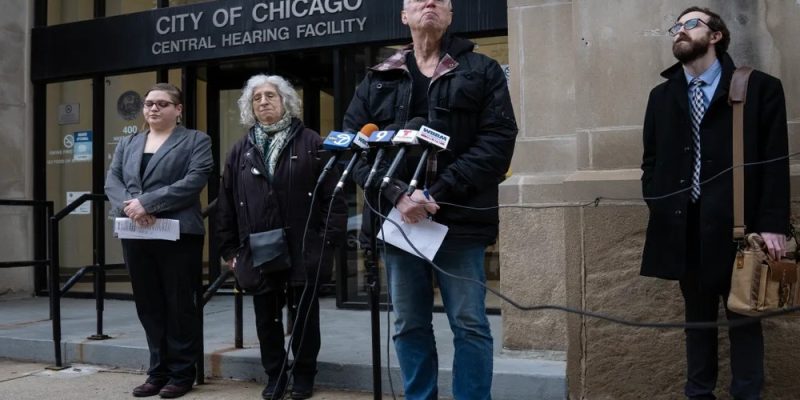
The envelope from the City of Chicago looks official, lists a date and a hearing location, and demands your attention without quite explaining what kind of proceeding you’re being summoned to. Aaron Fox Law fields calls every week from Chicago property owners, landlords, and drivers who don’t realize that a Notice of Violation from the City’s Department of Administrative Hearings carries real teeth, and that ignoring it is the single fastest way to turn a small problem into an expensive one.
A Chicago administrative hearing is not criminal court. It is also not optional.
What a Chicago Administrative Hearing Actually Is
The Department of Administrative Hearings (DOAH) handles civil enforcement of City ordinances. Instead of judges, the proceedings are run by Administrative Law Officers, who are attorneys appointed to hear these cases. The standard of proof is preponderance of the evidence, which means the City has to show its claim is more likely true than not. That is a lower bar than the proof beyond a reasonable doubt that governs criminal court.
Most non-vehicle hearings happen at 400 W. Superior Street. Vehicle hearings (parking, red light camera, speed camera, and booting) are handled at several satellite locations across the city. The address is on your notice, and it matters, because each facility has its own check-in process and its own backlog.
The Citations That Land Most Often
Most Chicago administrative hearings come out of a handful of recurring categories:
- Building code violations, including missing smoke or carbon monoxide detectors, porch and rear stair conditions, broken windows, illegal conversions, and lead paint
- Vehicle violations, including parking, red light camera, speed camera, and booting matters
- Streets and Sanitation violations, including overflowing garbage, snow removal on sidewalks, tall weeds, and graffiti left unaddressed
- Business licensing issues, including operating without a current license or signage that does not conform
- Animal Care and Control matters
Landlords and small-property owners draw a disproportionate share of the building citations. Inspectors run routes after complaints come in through 311, and one complaint can produce a multi-count Notice of Violation that names the owner of record listed at the Cook County Assessor’s office, even if that owner moved years ago and never updated the mailing address.
What Happens If You Skip the Hearing
A no-show triggers a default judgment. The Administrative Law Officer enters a finding of liability and imposes a fine, sometimes at the maximum allowed under the ordinance. The order becomes a debt owed to the City almost immediately.
There is a window to undo a default. You have 21 days from the date of the order to file a Motion to Set Aside Default, and you need to show good cause for the absence. “I never received the notice” can work if service was defective. “I forgot” usually will not. After those 21 days, your remaining route is a petition under the Illinois Administrative Review Law in Cook County Circuit Court, and you have 35 days from the final order to file it.
Past those windows, collection takes over. The City can put a hold on your vehicle registration, refer the matter to a collection agency, file a lien against your property, or shut off water service for unpaid building-related debts. Vehicle holds are particularly common and frustrating, since they block you from renewing plates until the judgment is paid or vacated.
How a Hearing Actually Plays Out
Hearings run all day, in volume. You check in at the desk, take a seat, and wait for your case to be called. The City is represented by a Corporation Counsel attorney. The inspector who issued the citation, or a records custodian, presents the City’s evidence: photos, the inspection report, and any supporting documents. You then have the chance to testify, present documents and photos of your own, and cross-examine the inspector.
The Administrative Law Officer typically rules from the bench the same day. If you win, the case is dismissed. If you lose, a fine is imposed and the order entered.
What Aaron Fox Law Looks at Before a Chicago Administrative Hearing
The strongest defenses are usually identified before anyone walks through the door. The questions worth asking on a building case include:
- Was service of the notice proper, and was it directed to the correct owner of record?
- Did the inspector cite the right municipal code section for the condition observed?
- Has the condition been corrected, and is there documentation (receipts, photos, contractor invoices) to prove it?
- Is the property in a special program, such as Troubled Buildings or a court receivership, that affects the City’s posture?
For vehicle cases, the defenses are narrower but real: signage that was obscured or missing, a sold or stolen vehicle, calibration or operational problems with red light and speed cameras, and clerical mismatches between the plate cited and the plate on file.
When the Fine Is Worth Fighting
Some citations carry low fines that are not worth a day off work to contest. Others stack multiple counts, daily fines that compound, and consequences that reach well past the dollar figure. Building cases left unresolved can be referred to housing court. Repeat violations at the same property escalate. Business license findings can affect a renewal. A judgment on the property can surface in title work the next time you try to sell or refinance.
Cost and benefit cut both ways. A short consultation usually clarifies which side you are on before you commit time to a fight.
Don’t Let the Notice Sit on the Counter
The deadlines on a Chicago Notice of Violation are short, and the system does not pause while you decide what to do. If you have received one, pull the hearing date off the notice, calendar both the hearing and the 21-day backstop, and work out your defense before you walk in. Aaron Fox Law represents Chicago property owners, landlords, and drivers in administrative hearings on a regular basis and can review your notice quickly to tell you whether the case is worth contesting, settling, or simply paying. The earlier that call happens, the more options stay on the table.










Comments