
 By
By 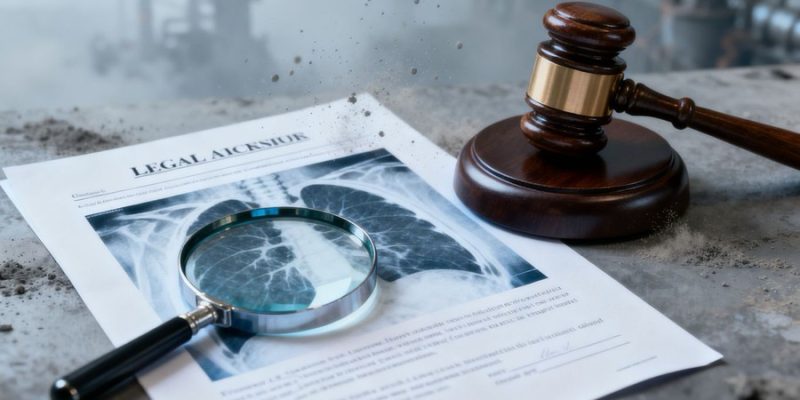
The first step in pursuing a legal claim for asbestos-related lung cancer involves scheduling an initial consultation with a qualified attorney. This meeting is your opportunity to discuss the specifics of your situation and determine if you have a viable case. It is important to select an attorney who has specific experience with asbestos litigation. You can find information about asbestos lawsuit settlements and what to expect as you begin the process.
During this consultation, the attorney will want to understand:
- Your medical history, particularly your lung cancer diagnosis.
- Your work history, focusing on any potential exposure to asbestos-containing materials.
- The timeline of your exposure and diagnosis.
Be prepared to share any documents you have, such as medical records or employment verification. The attorney will review this information to assess the strength of your claim and explain the legal process. They will also discuss how they work, including their fee structure, so you know what to expect financially. This initial meeting is also your chance to ask questions and get a feel for whether the attorney is the right fit for you. It’s a chance to gauge their understanding of your specific circumstances and their commitment to seeking justice on your behalf.
Investigation And Evidence Gathering
Once you have consulted with an attorney, the next critical phase involves a thorough investigation and the gathering of evidence. This step is fundamental to building a strong case and demonstrating the link between your lung cancer diagnosis and past asbestos exposure. Your legal team will meticulously collect documents and information to support your claim.
This process typically includes several key areas:
- Medical Records: Obtaining comprehensive medical documentation is vital. This includes records detailing your diagnosis, treatment history, imaging results, pathology reports, and any other information that substantiates the severity and nature of your lung cancer. These documents serve as primary proof of your condition.
- Work History and Exposure Details: Pinpointing where and when you were exposed to asbestos is paramount. This involves reconstructing your employment history, identifying specific job sites, and detailing the types of tasks performed. Evidence might include old pay stubs, company directories, or even testimonies from former colleagues who can corroborate your exposure.
- Proof of Damages: To seek fair compensation, it’s necessary to document the full extent of your losses. This includes medical bills, records of lost income due to illness, and any other out-of-pocket expenses incurred. Evidence of pain, suffering, and diminished quality of life is also gathered.
An experienced attorney can help navigate the complexities of obtaining these records, especially if companies are uncooperative. They understand how to locate specific asbestos-containing products and can employ various methods to uncover the necessary proof. This diligent evidence collection is what forms the backbone of your legal claim. Understanding the asbestos lawsuit process and available compensation can help you prepare for what lies ahead.
Filing A Lung Cancer Lawsuit
Once your legal team has gathered sufficient evidence linking your lung cancer to asbestos exposure, the next step is to formally file a lawsuit. This action officially begins your legal journey and sets the wheels of justice in motion. Your attorney will prepare and submit the necessary legal documents to the appropriate court. This filing typically includes a complaint that outlines the facts of your case, identifies the parties involved, and specifies the damages you are seeking.
The filing process itself is usually quite swift, often taking only a week or two. Reviewing asbestos compensation payout timelines can help you understand the full duration from filing to resolution. However, the complexity of your case and the specific court’s procedures can influence the exact timing. It’s important to remember that there are strict deadlines, known as statutes of limitations, for filing these claims, and these vary by state. Missing this deadline can mean losing your right to seek compensation entirely. Therefore, working with an experienced attorney is key to ensuring your case is filed within the legal timeframe, respecting the statute of limitations.
Key aspects of the filing stage include:
- Document Preparation: Your attorney will ensure all required legal forms are accurately completed.
- Court Submission: The lawsuit is officially lodged with the relevant court system.
- Service of Process: Once filed, the defendants named in the lawsuit must be formally notified, which is a critical step to move the case forward.
Pre-Trial Negotiations Or Mediation
After the initial investigation and evidence gathering, and once the lawsuit has been formally filed, the case typically enters a phase focused on reaching a resolution outside of the courtroom. This stage, often referred to as pre-trial negotiations or mediation, is where both sides attempt to come to an agreement.
Most asbestos lung cancer cases are resolved during this period. Learning about how asbestos settlements are negotiated and finalized can help you understand this critical phase. It’s a chance for the parties involved to discuss the specifics of the claim and explore potential settlement terms. This can involve direct discussions between the attorneys representing the plaintiff and the defendant, or it might involve a neutral third-party mediator.
The mediator’s role is to facilitate communication and help guide the parties toward a mutually acceptable outcome. They do not make decisions but rather assist in finding common ground. This process can be quite involved and may include several meetings.
Key aspects of this phase include:
- Evaluating Case Strength: Attorneys on both sides will assess the evidence and legal arguments to determine the potential strengths and weaknesses of their respective positions.
- Discussing Damages: The parties will discuss the extent of the plaintiff’s damages, including medical expenses, lost wages, and pain and suffering, to establish a basis for compensation.
- Exploring Settlement Options: Various settlement structures might be considered, aiming to provide fair compensation without the need for a lengthy and costly trial. Pursuing an asbestos mesothelioma lawsuit can result in substantial financial compensation, potentially reaching millions of dollars through jury verdicts or settlements from asbestos trust funds [68c8].
If negotiations and mediation are successful, a settlement agreement is reached, and the case concludes. However, if an agreement cannot be made, the case will then proceed to trial.
Trial Or Settlement
After the evidence has been gathered and presented, cases typically move towards either a settlement or a trial. Most asbestos lung cancer claims do not actually go all the way to a full trial. Instead, they are resolved through negotiations between the legal teams representing both sides. This often happens after the discovery phase, where all the facts and evidence have been laid out.
Settlement offers are frequently made to avoid the uncertainties and lengthy delays associated with court proceedings. Reviewing past asbestos settlement outcomes and verdicts can provide helpful context for evaluating offers. If both parties can agree on a fair amount of compensation that addresses the damages, medical costs, and suffering caused by the asbestos exposure, a settlement can be reached. This is usually the preferred route as it provides a more predictable outcome and can be finalized much faster than a trial.
However, if an agreement cannot be reached through negotiation, the case will proceed to trial. During a trial:
- Both the plaintiff and the defendant present their arguments and evidence before a judge or jury.
- Witnesses may testify, and expert opinions will be shared.
- The judge or jury will then make a decision, known as a verdict, based on the information presented.
Trials can be complex and time-consuming, with court schedules and the specifics of the case influencing how long they take. Sometimes, even during a trial, parties may still reach a settlement before a final verdict is delivered. The goal at this stage, whether through settlement or trial, is to secure appropriate compensation for the harm caused by asbestos exposure.
Resolution And Compensation For Lung Cancer Claims
Once your lung cancer lawsuit has concluded, either through a settlement or a court verdict, the focus shifts to the finalization of compensation. This stage involves the formal distribution of funds awarded to you. The amount of compensation can vary significantly based on the specifics of your case. Exploring asbestos claim settlement information can help you understand potential outcomes, including the severity of your illness, the extent of your asbestos exposure, and the evidence presented regarding your losses.
Compensation typically aims to cover several areas:
- Medical Expenses: This includes past, present, and future costs associated with your lung cancer treatment, such as hospital stays, surgeries, medications, and ongoing care.
- Lost Wages and Earning Capacity: Compensation may be awarded for income lost due to your inability to work and for any reduction in your future earning potential.
- Pain and Suffering: This accounts for the physical pain, emotional distress, and loss of enjoyment of life experienced as a result of your asbestos-related illness.
- Other Related Costs: This can encompass expenses like travel for medical appointments, home care services, and other out-of-pocket costs incurred due to your condition.
If your case was resolved through a settlement, the terms are usually agreed upon before any formal court judgment. This often leads to a more straightforward and quicker disbursement process. However, if your case went to trial and resulted in a verdict, there might be a period for appeals. Appeals can sometimes extend the timeline before compensation is fully received. An experienced attorney will guide you through the necessary paperwork and procedures to ensure you receive the full amount you are entitled to, as efficiently as possible.
Understanding The Lung Cancer Legal Timeline
When facing a lung cancer diagnosis linked to asbestos, understanding the legal process is important. The timeline for filing a lawsuit and seeking compensation can seem long, but knowing the steps helps manage expectations. It’s not a quick process, and each stage has its own pace. Reviewing your legal options for pursuing an asbestos-related lawsuit early can help move things along more efficiently.
Generally, the legal journey involves several key phases:
- Initial Consultation and Case Evaluation: This is where you first connect with an attorney. They’ll review your medical history and potential asbestos exposure to see if you have a case. This usually takes a week or two.
- Investigation and Evidence Gathering: Your legal team will then work to collect proof. This involves finding documents, talking to former colleagues, and sometimes consulting experts to link your illness to asbestos. This phase can take a month or two, sometimes longer for older exposure records.
- Filing the Lawsuit: Once enough evidence is gathered, the formal lawsuit is filed with the court. This step itself is relatively quick, often just a week or two, but it officially starts your case.
- Pre-Trial Negotiations or Mediation: Many cases try to settle before a trial. This stage involves discussions between your side and the defendants, often with a mediator. It can take anywhere from three to six months.
- Trial or Settlement: If negotiations don’t lead to an agreement, the case moves toward a trial. This can be a lengthy process, potentially lasting from six months to a year or more, depending on court schedules and the complexity of the case. Sometimes, settlements are still reached during this time.
- Resolution and Compensation: The final step involves receiving any awarded compensation. If settled, this is usually faster. If a trial verdict is reached, there might be appeals, which can add more time before the funds are distributed. This final stage can take another month or two.
It’s important to remember that these timelines are estimates. The specific details of your situation, the responsiveness of the parties involved, and the court’s schedule all play a role. Working with experienced legal professionals, like those who can help with asbestos trust claims, is key to keeping the process moving as efficiently as possible and ensuring all deadlines are met.
Identifying Asbestos Exposure
Pinpointing where and how asbestos exposure occurred is a critical first step in any legal claim related to lung cancer. This isn’t always straightforward, as asbestos was used in so many products and industries for decades. Think about your work history, especially if you were in construction, manufacturing, shipbuilding, or automotive repair. Many older homes also contain asbestos in insulation, flooring, and roofing materials, so renovations or even just living in certain houses could be a source.
To build a strong case, you’ll need to gather specific details. This often involves:
- Listing all potential workplaces where you might have encountered asbestos.
- Identifying specific products or materials you worked with that contained asbestos.
- Recalling the approximate dates and duration of your exposure.
- Gathering testimonies from former coworkers who can corroborate your exposure.
Documenting your exposure history is paramount because it forms the foundation for proving your illness is linked to this hazardous material. It’s about creating a clear timeline that connects your past activities to your current health condition. This detailed account helps legal professionals understand the extent of your exposure and identify responsible parties. Proving asbestos exposure is a crucial step for Canadians seeking compensation for mesothelioma and other asbestos-related illnesses [01b4]. Understanding the types of asbestos-related diseases, such as asbestosis, lung cancer, and mesothelioma, is also important during this phase, as each has specific diagnostic criteria and potential links to exposure.
Evidence Required For Lung Cancer Legal Claims
To build a strong case for lung cancer caused by asbestos exposure, specific types of evidence are necessary. This documentation helps connect your illness directly to the harmful materials you encountered. Without proper evidence, it can be difficult to prove your claim.
Key evidence typically includes:
- Medical Records: These are vital for confirming your lung cancer diagnosis. They should detail the type of cancer, its stage, and the treatments you’ve undergone. This includes doctor’s notes, pathology reports, and imaging results like X-rays or CT scans. This information shows the extent of your illness.
- Proof of Asbestos Exposure: This is where you demonstrate where and when you were exposed to asbestos. This can involve employment records, pay stubs, or even testimony from former coworkers who can confirm the presence of asbestos at a job site. Company documents or safety data sheets from the time of your employment can also be very helpful.
- Documentation of Damages: This covers the financial and personal toll your diagnosis has taken. It includes medical bills, receipts for medications, records of lost income due to inability to work, and any other out-of-pocket expenses. Evidence of pain, suffering, and reduced quality of life is also considered.
Gathering this information can sometimes be challenging, especially if records are old or companies are uncooperative. An attorney experienced in asbestos cases can assist in obtaining these documents and verifying their authenticity.
Understanding Court Proceedings
When pursuing an asbestos lung cancer lawsuit, understanding the court proceedings is a key part of the process. It’s not always straightforward, and there are several stages involved. After the initial filing, the case enters the discovery phase. This is where both sides gather information and evidence. This can involve exchanging documents, sending written questions (interrogatories), and taking depositions, which are sworn testimonies given outside of court.
The goal of discovery is for each party to understand the other’s case thoroughly. This often includes reviewing medical records, employment histories, and any documents related to asbestos exposure. It can be a lengthy period, sometimes taking months, as attorneys work to build a strong foundation for their arguments.
Following discovery, cases often move toward pre-trial negotiations or mediation. If a settlement isn’t reached, the proceedings will head to trial. At trial, evidence is presented to a judge or jury, who will then make a decision. It’s important to remember that court backlogs can sometimes cause delays, which is why many cases are settled before reaching this stage. Being prepared for these steps can help manage expectations throughout the legal journey. You can find more information on filing your asbestos lung cancer lawsuit in 2026 here.






Comments